25 July 2016
Greenfield Village
Greenfield Village never existed as a real community in the past, but was created by Henry Ford to be a giant classroom for a unique educational system of his own design. From the beginning, Ford saw the village as a site where students could follow his philosophy of “learning by doing.” The artifacts and historical buildings Ford collected were intended to help students learn firsthand about their past and introduce them to the skills needed to succeed in a technological society.
“This is the only reason Greenfield Village exists – to give us a sense of unity with our people through the generations, and to convey the inspiration of American genius to our youth. As a nation we have not depended so much on rare or occasional genius as on the general resourcefulness of our people. That is our true genius, and I am hoping that Greenfield Village will serve that.”
— Henry Ford
The buildings and artifacts in Greenfield Village span over 300 years of history and covers more than 90 acres. It includes not only the homes and workshops of famous innovators like Thomas Edison and the Wright Brothers, but houses and storefronts that were occupied by less familiar residents.
Greenfield Village is located immediately next to The Henry Ford and is a great complement to the indoor museum.
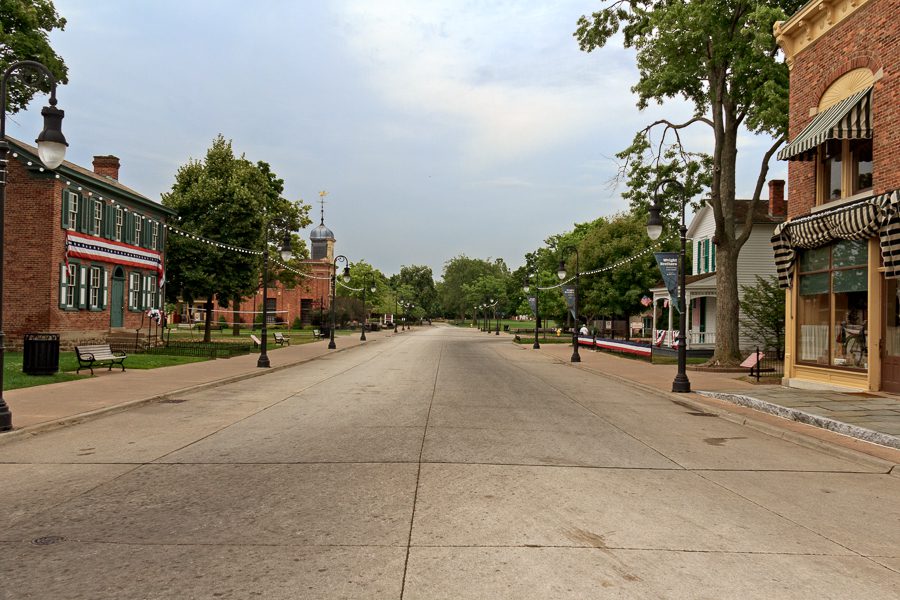
Just one of many streets in Greenfield Village (and consider this village opened in 1928!)
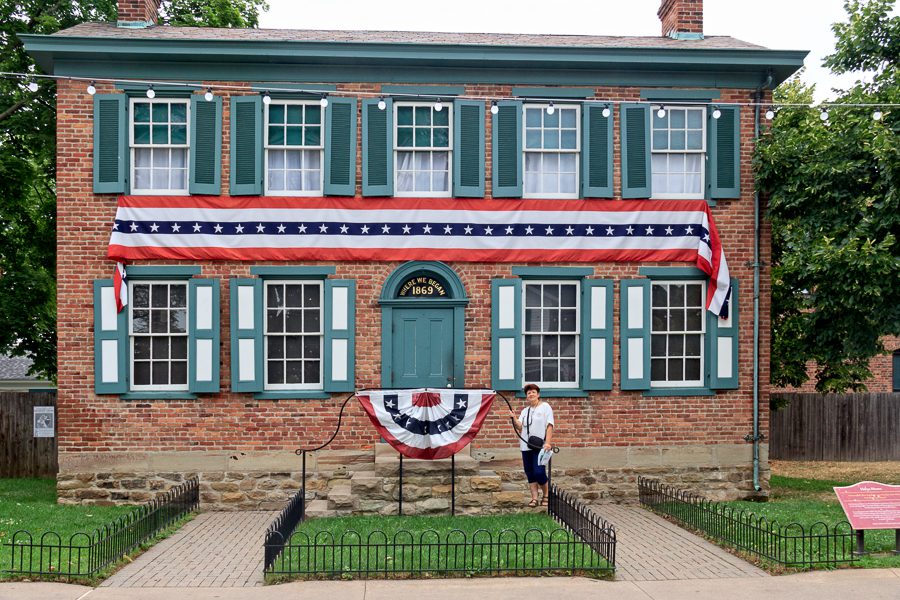
Home of Henry Heinz. Did you know he created horseradish before ketchup?

Office of Luther Burbank, known for his contributions to fruits and vegetables. Also consider how Ford had the foresight to include Burbank’s contribution to society.

Think of the innovations you would have to make in order to prosper if you had lived in this 1754 farmhouse! Barely visible is the oldest windmill in America.
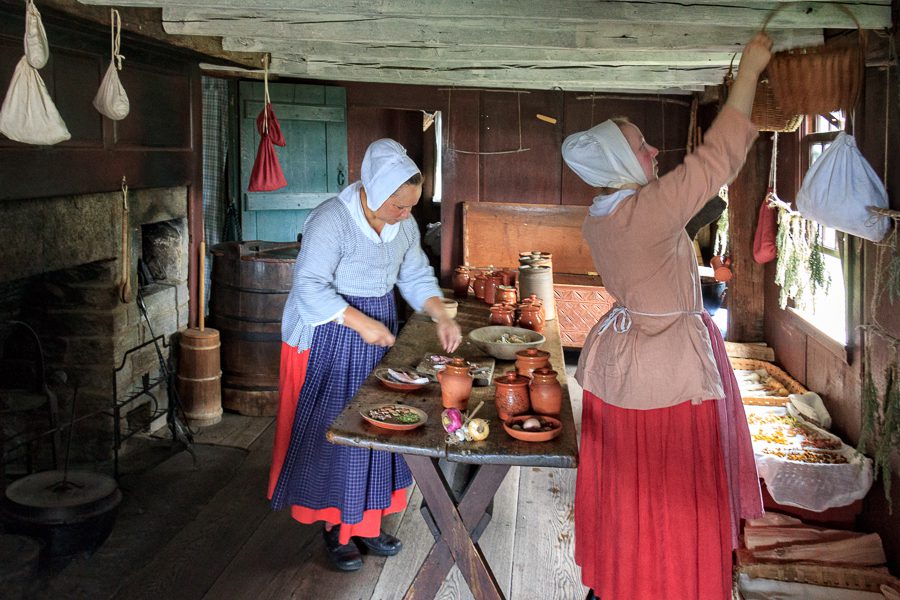
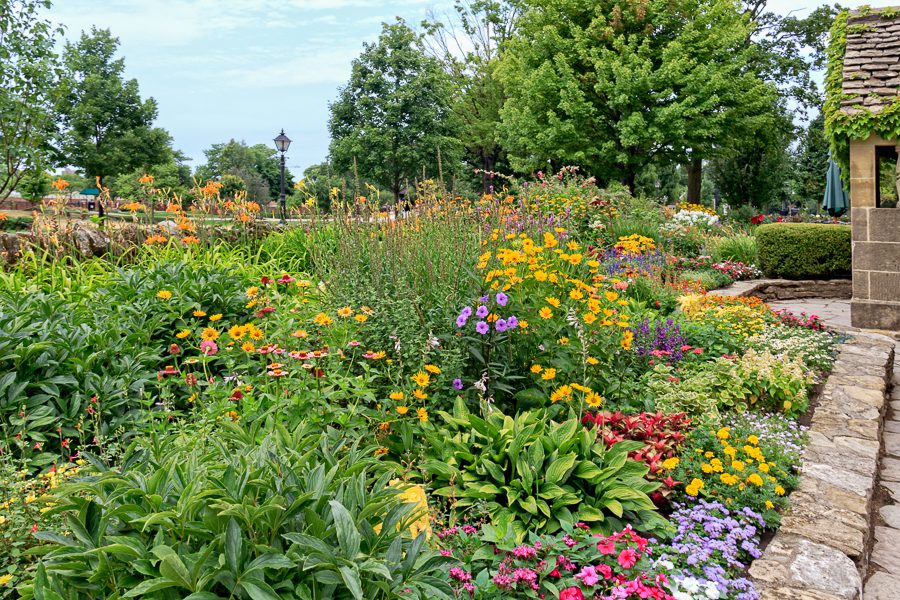
Is this a Meriam garden or what?
(Editor 2: Without my weeds of course!)

This 1620 Cotswold cottage was purchased by Ford in 1929 as a birthday present to his wife. It was dismantled in England and perfectly restored in Greenfield.


Checkout the original window glass and signature (1806) of the glass blower!
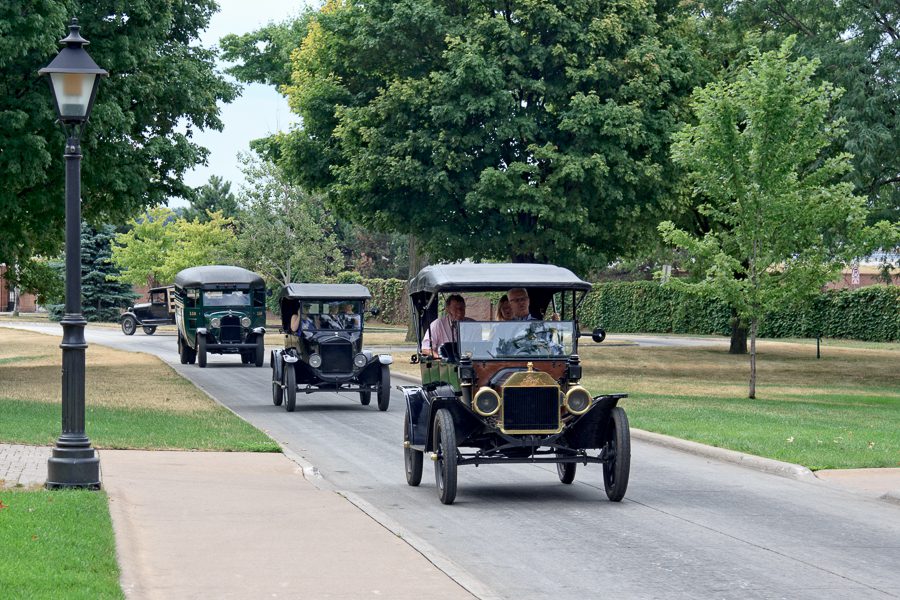
One can travel around Greenfield in original Ford vehicles!

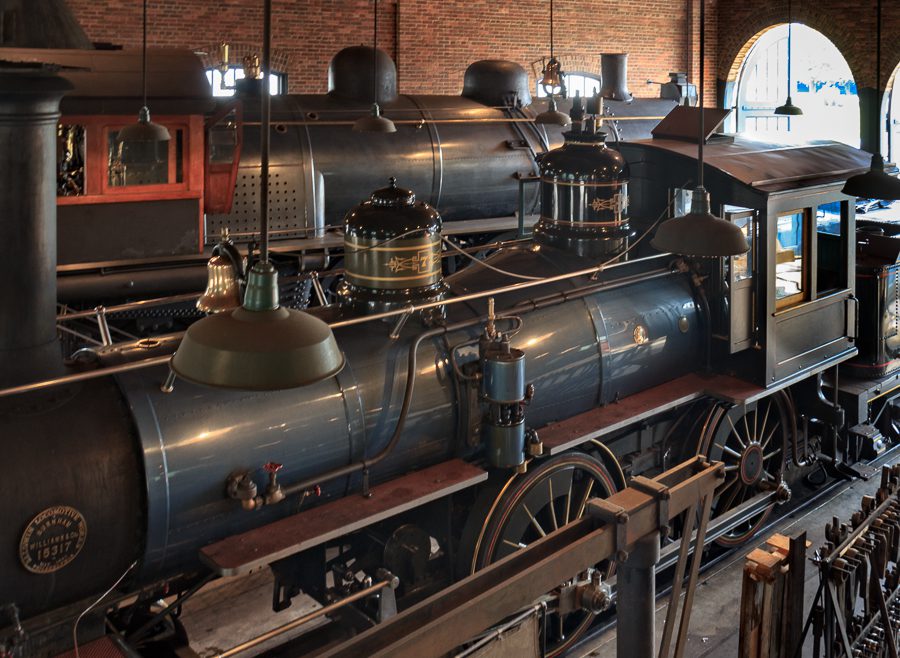
This operational turnstile and roundhouse is used to service and maintain the five steam locomotives used in the Village.

Look at me, helping this young man move this incredibly heavy turntable!



Yes, we know this photograph is not quite in focus. The reason why is because the silkworm cocoons are spinning freely in a water bath as the silk threads are un-spinning onto a bobbin run by a newly invented machine.

An enchanting walk through a Mulberry grove — Ford thought of everything.
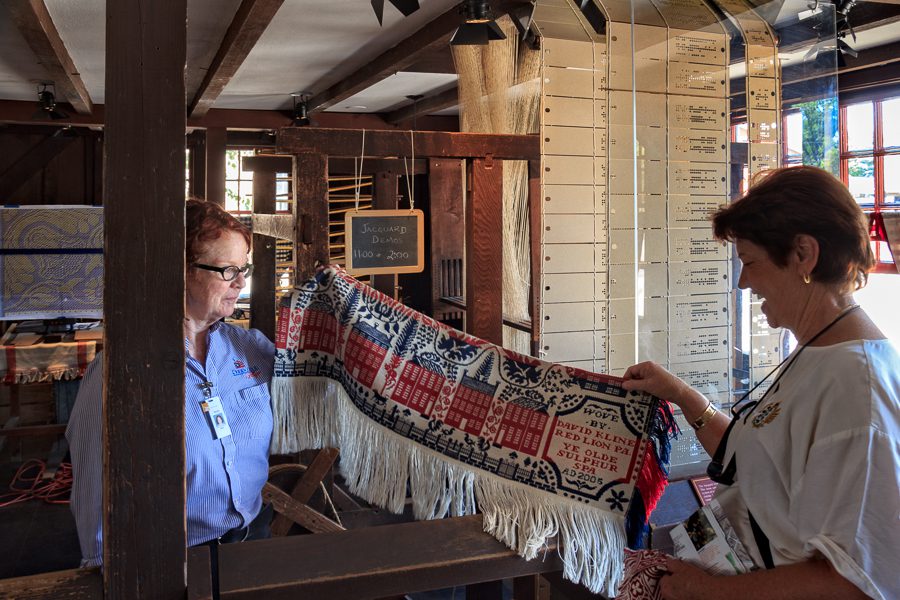
Of all the living history museums we have visited over the years, this is the only time we have seen a Jacquard loom. The complexity of the patterns and colors causes Meriam to hyperventilate! Don’t focus only on the foreground, but also notice the cards in the background (right). Every row of thread is defined by a single punched card on the loom! Jacquard first demonstrated his loom in 1801.
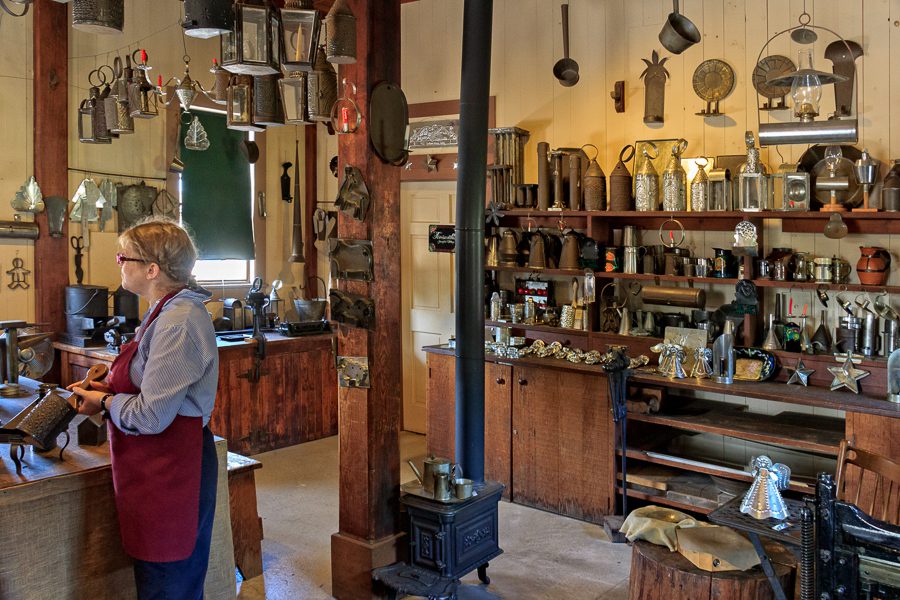
Tin Shop.
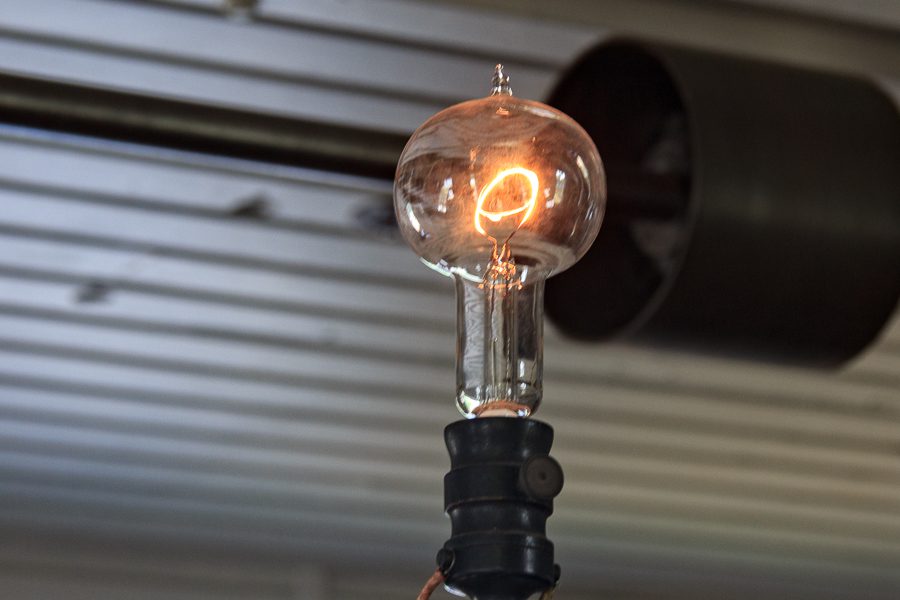
An original Edison light bulb. Gives us cold chills to realize we are really looking at a Thomas Edison original. While we viewed this, a docent was telling us of the thousands of failures Edison experienced before finding a workable filament.

Thomas Edison’s original workshop. Edison and Ford were great buddies, often traveling and vacationing together.