San Marcos de Apalache
Our first stop upon entering Florida was the old fort of San Marcos de Apalache. This area, at the confluence of the Wakulla and St. Marks Rivers, has one of the oldest and richest histories in Florida. It was claimed, fought over, captured and recaptured many times by the Spanish, British, Indians, early Americans, Confederates, and Yankees.
The history of San Marcos de Apalache began in 1528 when Panfilo de Narvaez arrived in the area with 300 men. Located at the confluence of the Wakulla and St. Marks Rivers, the Spanish built the fort in 1679 to protect the Spanish missions in the area. The logs used were coated with lime to give the appearance of stone. The fort stood only three years when it was burned and looted by pirates. Not until 1718 did Captain Jose Primo de Ribera arrive to construct a second wooden fort. Construction began on the first stone fort in 1739. Progress was slow, and the fort was less than half-finished when the Florida colony came under British rule in 1763.
By 1787, Spain regained control of the colony and the fort. Spanish rule was challenged in 1800 by a former British officer named William Augustus Bowles. General Andrew Jackson invaded the territory in 1818 and too San Marcos, but eventually withdrew, leaving the fort once again in Spanish hands, where it remained until 1821 when Florida was purchased by the US from Spain.
It was occupied as an army post until 1824 when the Indians were moved to a reservation. The fort was re-established and occupied by the Confederate Army during the Civil War and a Federal Naval attack on the fort was repulsed in 1865.
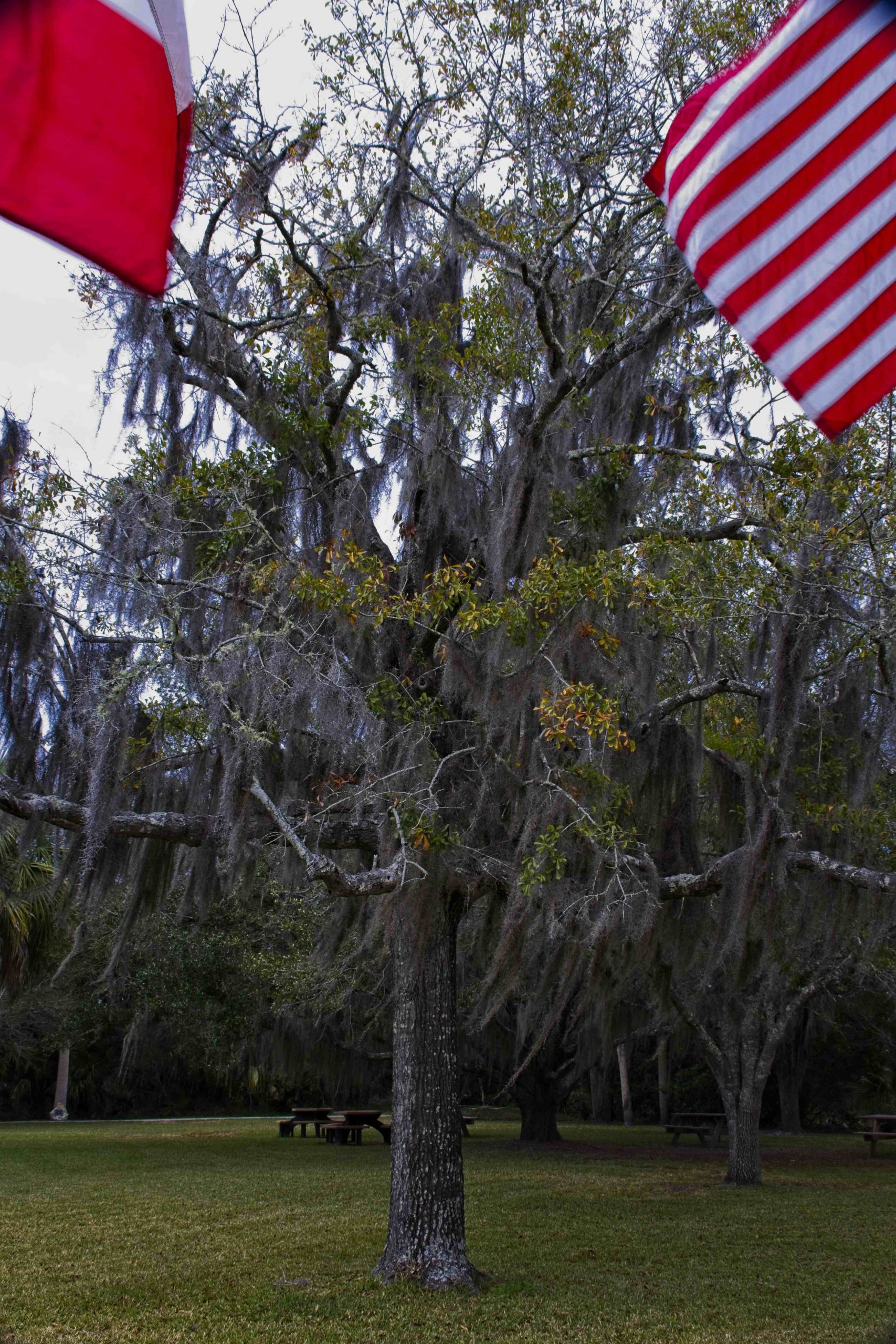
San Marcos de Alapache State Park
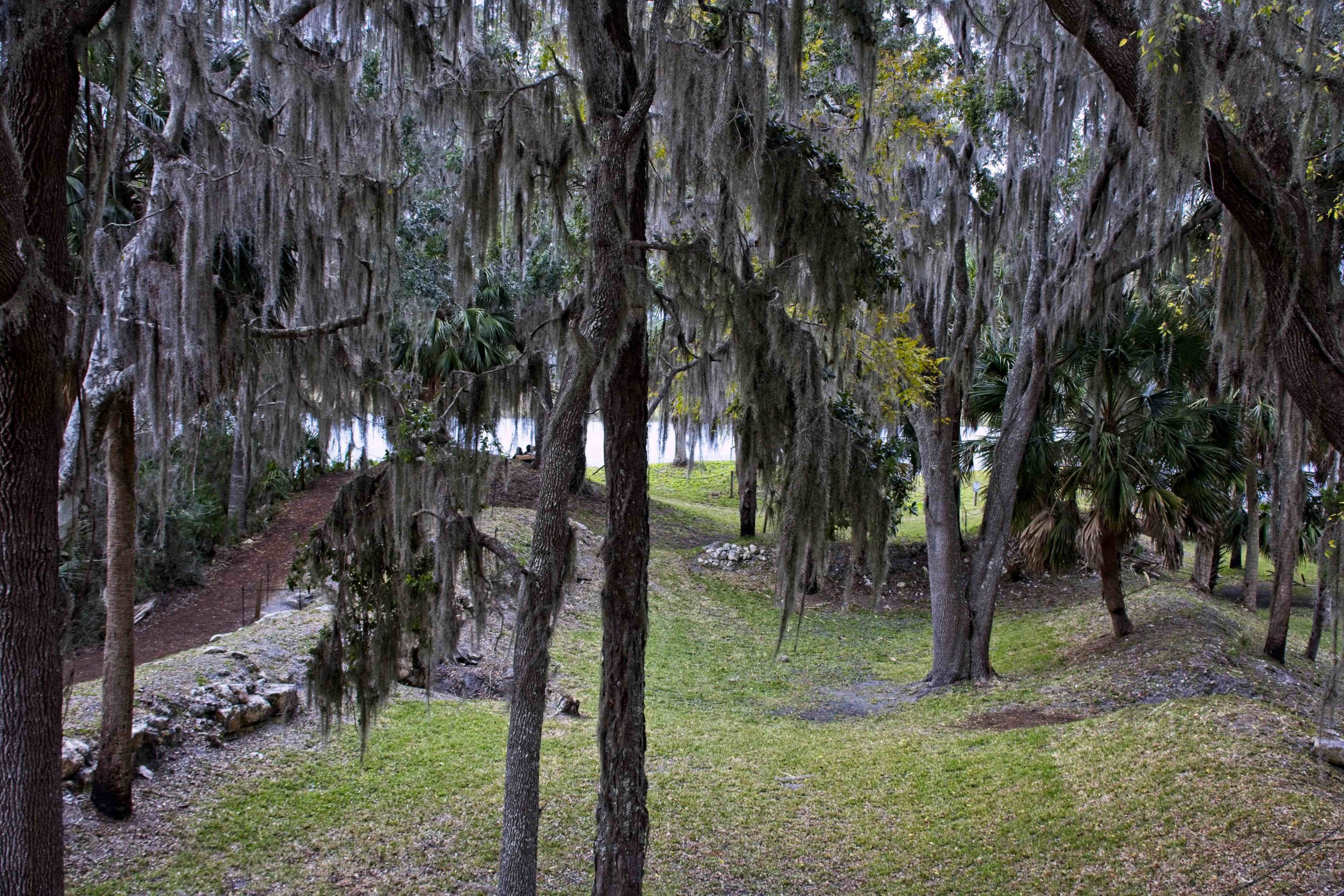
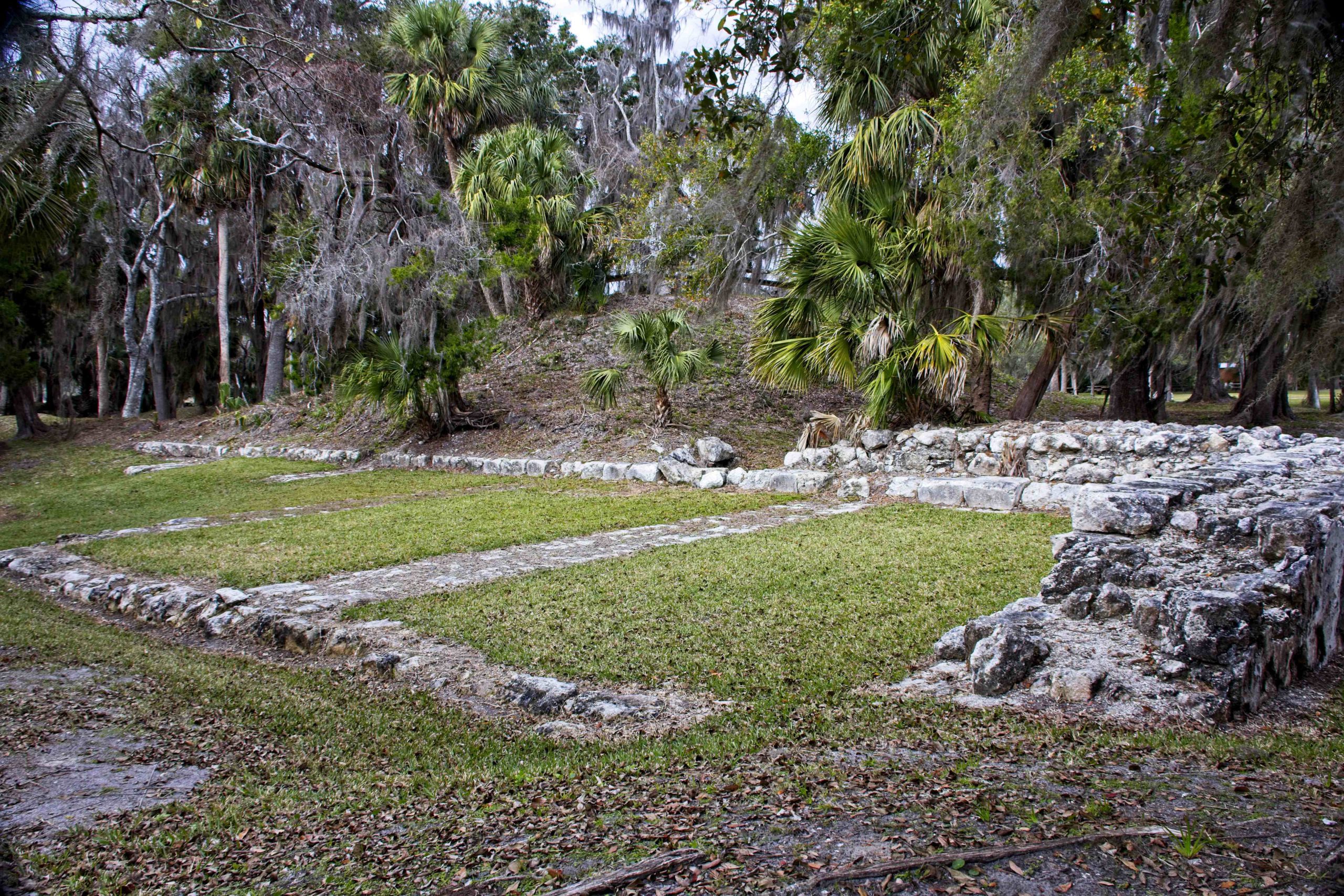
All that remains of the old stone fort.
Manatee Springs State Park
At Manatee Springs State Park, we began our quest for sights of the manatee. Although we only got a brief look at one, we did discover one of the many beautiful Florida state parks.

Manatee Springs State Park


This photograph does not begin to show the dozens and dozens of vultures hanging around. They have become so acclimated to humans, you could walk up and touch one (if one so desired!)


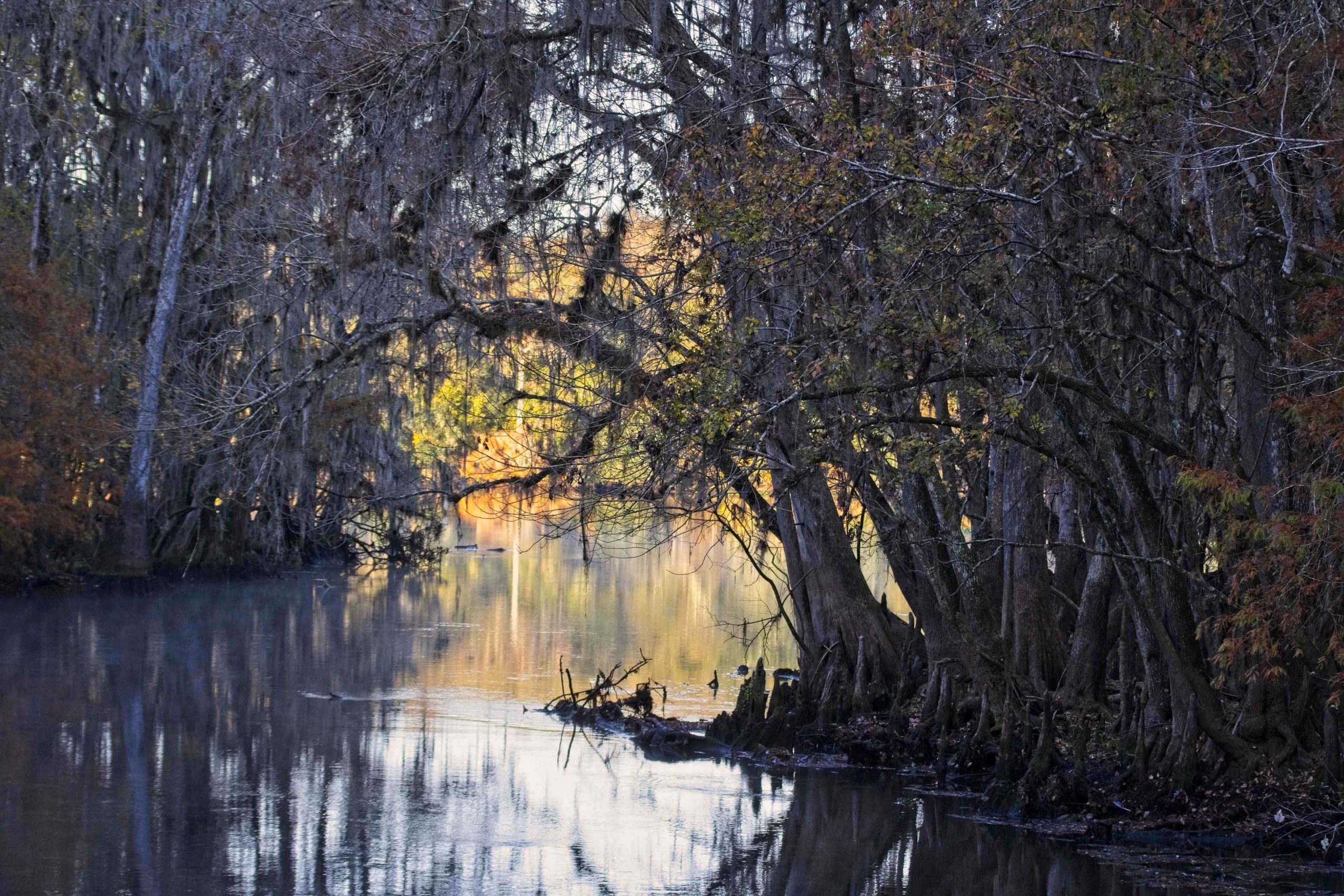

Many of the parks in this area are fed by very large springs, making the water crystal clear. A large variety of trees exist in the area, including Bald Cypress.
Wakulla Spring State Park
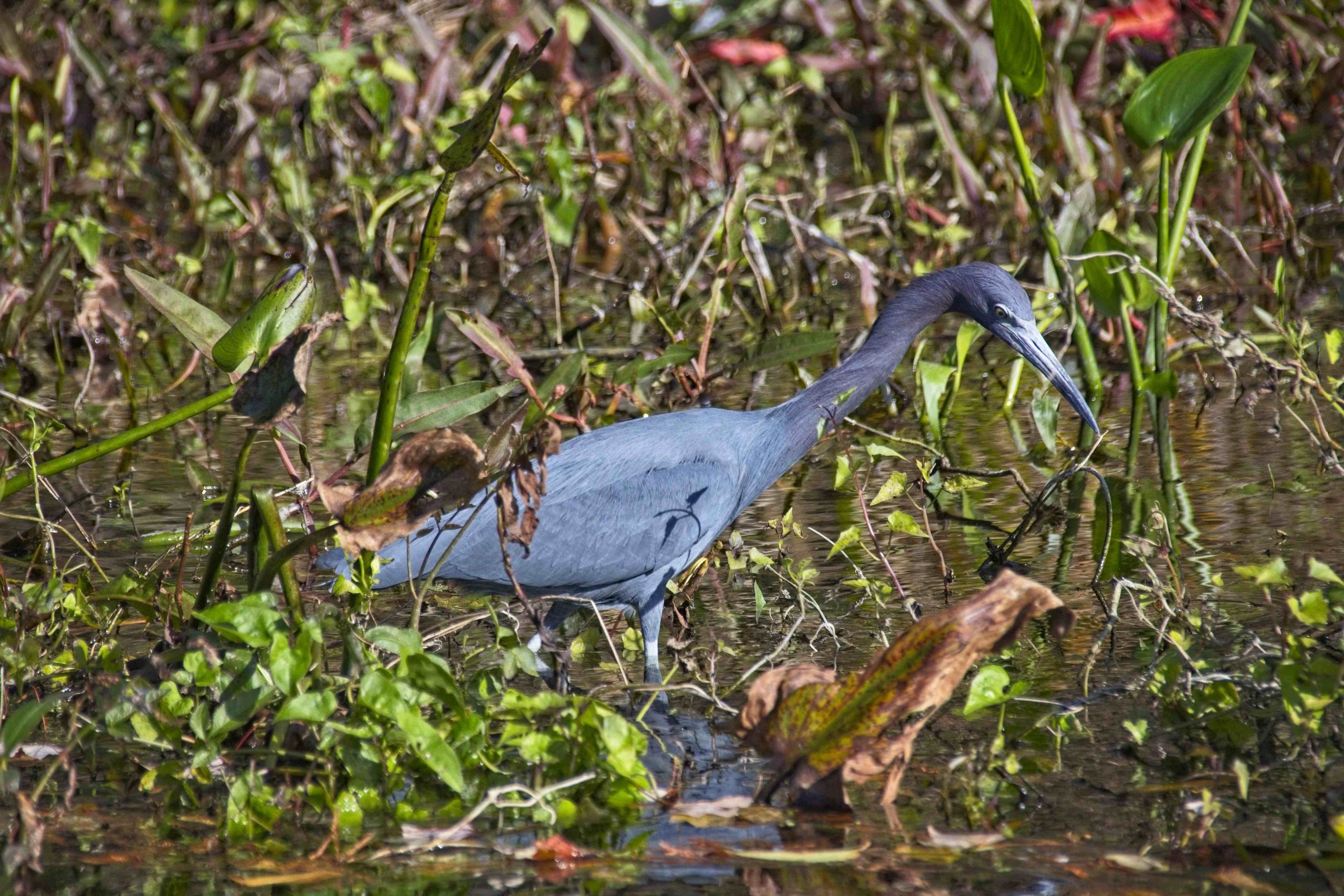
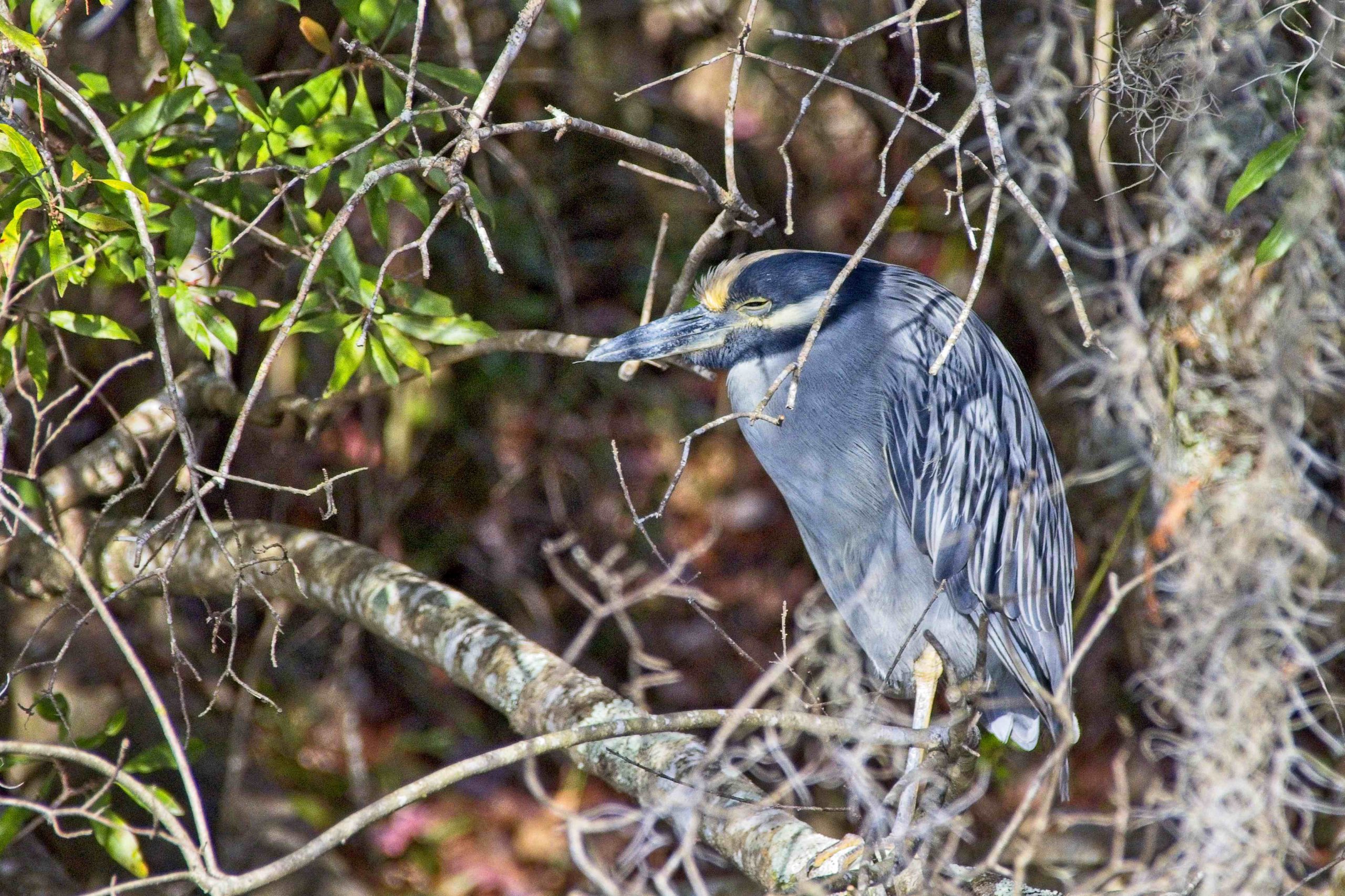
At Wakulla Spring State Park, we did the “tourist thing” and took an hour boat excursion around the spring. Definitely worth the time and money. In addition, we experienced a closer view of several manatees. The area was a treasure trove of wildlife including more than 100 alligators, turtles and many species of waterfowl. If you want to see alligators…come HERE!
BTW, why do we care about manatees? Turns out the manatee, Florida’s state marine mammal is a large aquatic relative of the elephant.
Manatees are grayish-brown in color and have thick, wrinkled skin on which there is often a growth of algae. Their front flippers help them steer or sometimes crawl, through shallow water. They also have powerful, flat tails that help propel them through the water.
Like other grazing animals, Florida manatees play an important role in influencing plant growth in the shallow rivers, bays, estuaries, canals and coastal waters they call home. Historically, manatees in Florida rely on natural springs to stay warm during cold weather.
Did you know Florida has the largest concentration of natural artesian springs in the world — how’s that for a factoid?

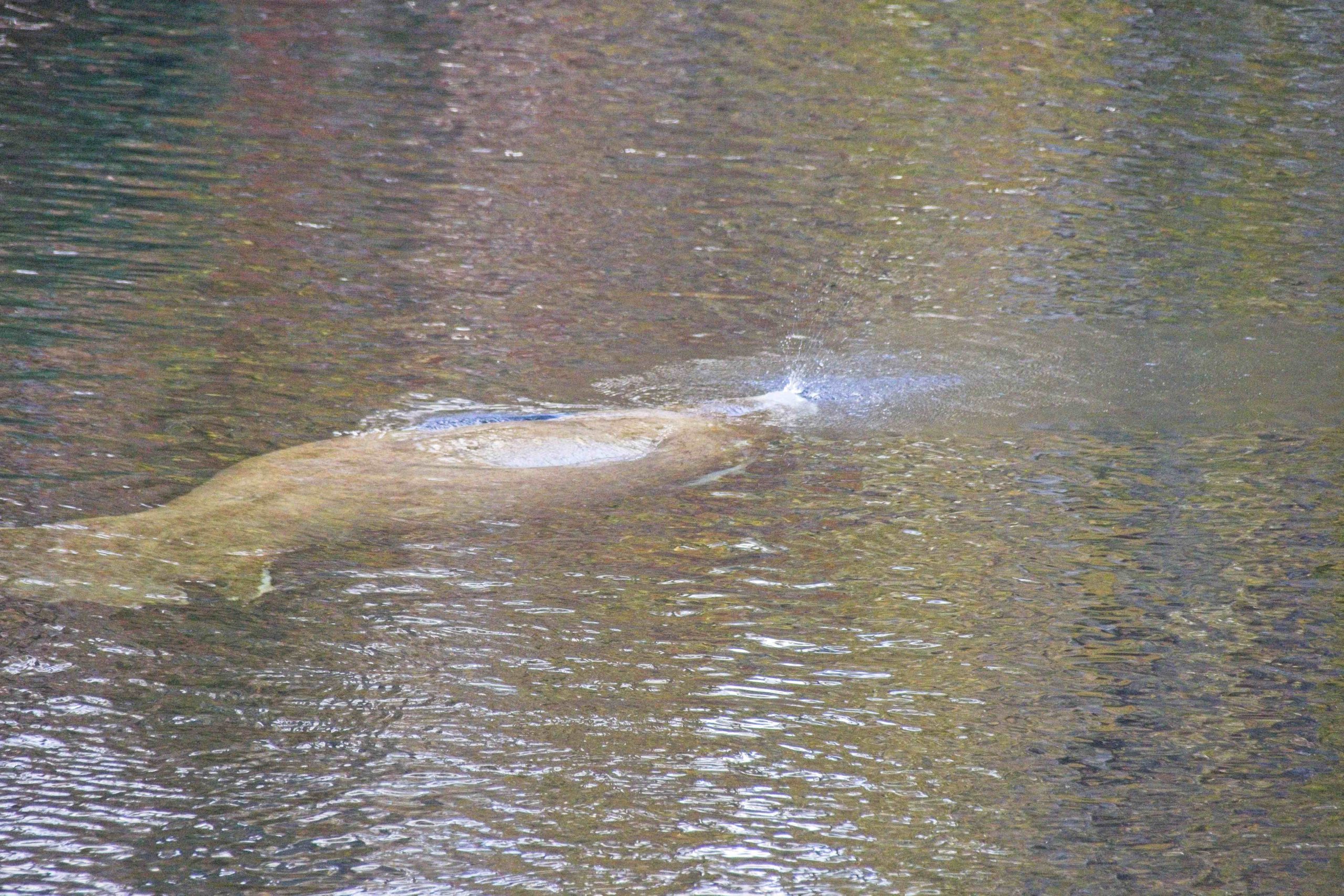

Manatees — close up???




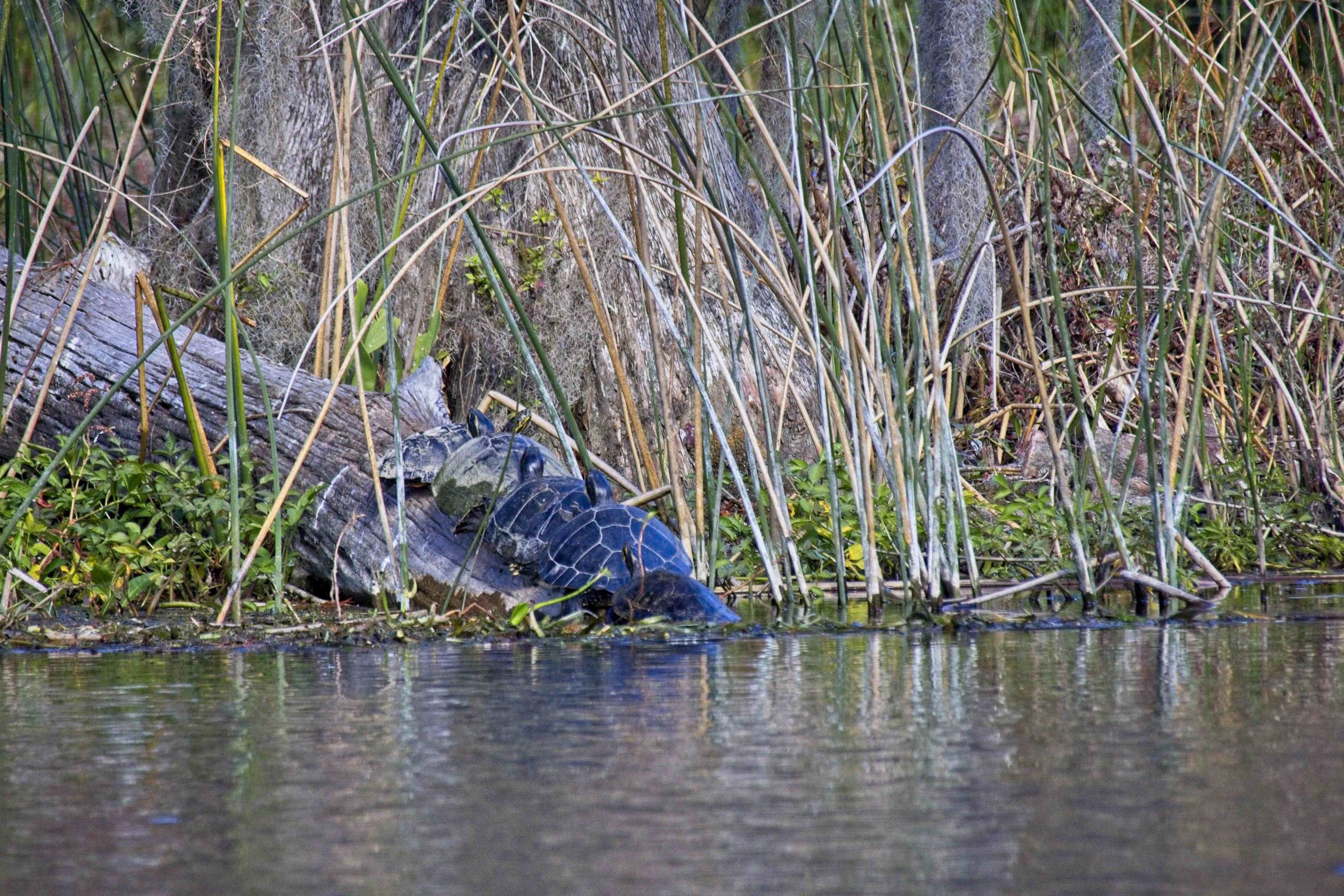
Dozens and dozens of turtles mostly resting on logs like these fellows.


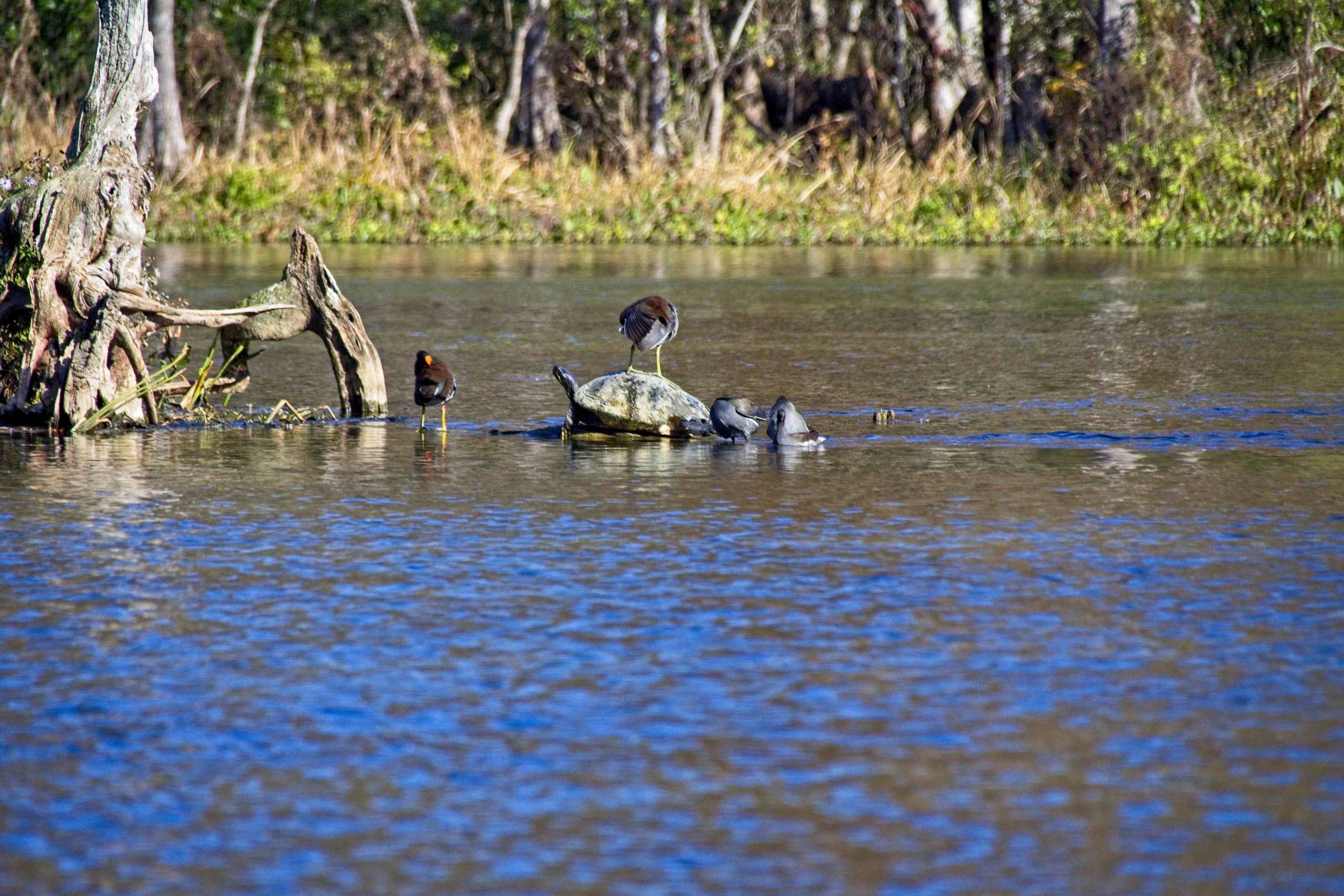
Check out the bird standing on the turtle’s shell!
maoBeautiful wildlife pictures. Mr. Little who occupied 3 acres in the middle of our tree farm told us to be careful of the “sea cows” at Caddo. Did he see a manatee there? Doubtful.
HaroldI suspect not! No way they would be able to get there!
AmyBeautiful nature
HaroldIt is a really beautiful area.
Samuel AyerGreat photos HB, don’t let anyone tell you that you are not a great photographer, especially HB….get it!
HaroldThanks, Sam, coming for a pro it means a lot!